

Blog
Dining Room Divider Ideas for Open Kitchens and Shared Spaces

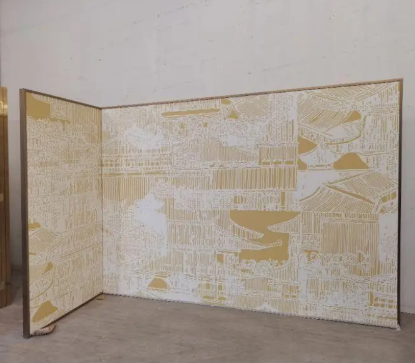
Open kitchens and dining areas are practical, but they can also feel visually unfinished when every function is visible at once. A dining room divider helps by creating a gentler transition between cooking, serving, and seating without forcing the space into hard separation.
The best dining room divider ideas are usually not about blocking the room. They are about improving rhythm. The divider gives the dining area a sense of place while still letting the larger space feel open and social.
Why dining areas benefit from a divider
Dining spaces often sit between several activities. They connect to the kitchen, they may open into the living room, and in smaller homes they may also sit near entry circulation. A divider helps the table feel anchored rather than temporary. For a broad starting point, browse Folding Screens.
Choose a screen that matches the tone of the dining room
If the dining space needs warmth and material presence, wood-led designs are often the stronger fit. If it needs atmosphere and decorative calm, scenic screens can add depth without clutter. This is one reason Solid Wood Screens and New Chinese Style Screens are both useful for dining spaces, depending on whether the room leans more classic or more contemporary.
Do not over-divide the room
The dining area usually does not need full privacy. In most homes, the better strategy is to redirect the eye and soften the transition from kitchen to table. A divider that feels too heavy can work against the openness people usually want in shared spaces.
Scenic screens can make dining areas feel more intentional
A scenic divider gives the dining room more identity, especially when the rest of the space is restrained. If the home already uses warm lighting, wood, stone, or quiet natural tones, an oriental scenic screen can become a focal backdrop instead of just a partition. For a broader design framework, continue with Oriental Aesthetics in Modern Interiors.
Think about movement around the table
Any divider near a dining room needs to respect circulation. People should be able to move around the table, serve food, and pull out chairs without the screen feeling awkward. This is why flexible folding panels usually work better than more fixed divider solutions in shared kitchens and dining zones.
When should dining rooms move to custom?
If the divider has to coordinate with cabinetry, repeated hospitality seating, or unusual widths, a custom route may make more sense. Residential projects with standard proportions can often stay within the ready-made collections, but larger or design-led projects may benefit from Custom Screens.
Conclusion
The best dining room divider ideas help the table feel grounded without isolating it from the rest of the home. They improve flow, soften transitions, and give shared spaces a stronger sense of composition.
Recommended next steps: Compare Folding Screens, Solid Wood Screens, and New Chinese Style Screens, then continue with How to Use a Room Divider Behind a Sofa.
Frequently Asked Questions
Should a dining room divider fully hide the kitchen?
Usually no. Most open homes benefit more from a softened transition than from full concealment.
What style works best near a dining table?
Wood, scenic, and cleaner New Chinese Style screens all work well depending on whether the dining room needs warmth, atmosphere, or a more contemporary tone.
Can a folding screen work in a smaller dining area?
Yes. Folding screens are especially useful because they can create definition without becoming a permanent obstacle.
Continue Reading
If the room is a fully open kitchen and lounge rather than a separate dining space, continue with Open Kitchen Living Room Divider Ideas Without Closing the Space.
