

Blog
Best Screen Materials for Warm Climates, Coastal Homes, and Hospitality Spaces

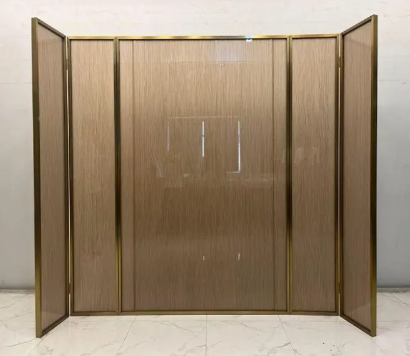
Material choice becomes more important in warm climates and hospitality spaces because the divider has to look refined while still fitting the room’s light, airiness, and level of use. A screen that feels perfect in a darker city interior may read too heavy in a brighter coastal or warm-weather project.
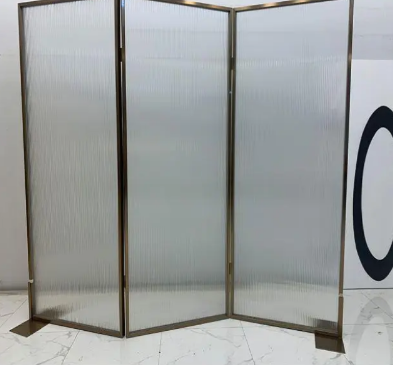
Glass and lighter finishes work well where brightness matters
When the room depends on daylight and openness, textured glass and lighter visual materials can preserve privacy without killing the atmosphere. This is one reason modern privacy screens continue to work well in suites, lounges, and coastal homes.
Wood brings warmth, but scale matters
Solid wood or wood-led screens usually feel more grounded and architectural. They can be excellent in villas, boutique hospitality, and entry sequences, but they need to be matched carefully to palette and room size. In warmer climates, heavy visual mass can make the room feel slower than intended.
Conclusion
The best material is the one that supports both climate mood and room function. In bright interiors, lighter and more breathable dividers often work best. In grander or more material-rich spaces, wood and scenic panels may be the stronger fit.
Recommended next steps: Continue with Are Folding Screens Good for Privacy?, Solid Wood Screens, and Request a Quote.
Related Regional Reading
Continue with Decorative Screens for UAE Villas and Apartments and How to Plan Screen Delivery for GCC Projects.
Related Resort Reading
Continue with Resort Villa Privacy Screen Ideas for Indoor-Outdoor Suites.
