

Blog
How to Layer Oriental Screens With Lighting, Stone, and Wood

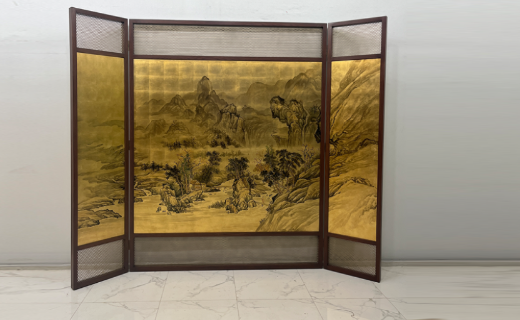
An oriental screen feels strongest when it is not working alone. The divider becomes much more convincing when lighting, floor tone, stone texture, and wood finishes all support it. That is often the difference between a room where the screen feels added later and a room where it feels deeply integrated.
This matters in both residential and hospitality interiors because a screen is rarely just a practical object. It is part of the atmosphere. The more it is layered with the room’s material language, the more powerful it becomes.
Start with the screen’s visual temperature
Some screens feel warm and grounded. Others feel lighter, cooler, or more atmospheric. Before choosing finishes around the divider, ask what kind of temperature the screen already brings. A solid wood or bamboo-led screen usually wants warmer support. A misty landscape or lighter scenic screen may respond better to quieter stone and softer light.
If material presence is the priority, compare Solid Wood Screens with Landscape Screens.
Lighting should treat the screen like an object
One of the easiest upgrades is to light the screen intentionally. Soft side lighting, warm ambient wash, or controlled downlight can make the divider read as art instead of filler. This is especially important for scenic panels, bamboo motifs, and screens with more detailed surface treatment. Even a strong screen can look flat if the lighting ignores it.
Stone adds weight and calm
Stone floors, textured plaster, travertine, and calmer mineral finishes help oriental screens feel more anchored. They give the divider something steady to play against. This is especially effective with more refined or cultural screen language because it stops the room from feeling too decorative. Stone provides restraint while the screen provides story.
Wood should support, not duplicate
If the screen is wood-led, surrounding wood finishes should harmonize without making everything blend together. Similar tone can work, but slight contrast is often stronger. The goal is to let the divider remain legible. In many interiors, that means using supporting wood notes elsewhere in furniture or trim rather than matching every wood finish exactly.
Layering matters most in entry, lounge, and tea spaces
These are the rooms where the divider is felt immediately. Entry sequences need the screen to participate in first impression. Lounges need it to help shape atmosphere. Tea and wellness spaces need it to support calm. That is why material and lighting coordination matter so much in these contexts. For the softer ritual side of this, continue with Tea Room and Wellness Screen Ideas.
When the room still feels disconnected
If the divider still feels separate from the room, the issue is usually one of three things: the lighting does not acknowledge it, the surrounding materials do not support its temperature, or the placement lacks spatial logic. Fixing one of those often changes the whole result. For broader design direction, continue with How to Make a Room Divider Look Luxurious Instead of Temporary.
Conclusion
Oriental screens become far more powerful when they are layered with the room’s lighting, stone, and wood rather than left to stand alone. That layering makes the divider feel collected, intentional, and truly part of the interior language.
Recommended next steps: Browse Solid Wood Screens, Landscape Screens, and continue with Oriental Aesthetics in Modern Interiors.
Frequently Asked Questions
Should the screen match the wood in the room exactly?
Not necessarily. A close relationship works, but slight contrast is often better because it helps the screen stay legible.
What kind of lighting works best with scenic screens?
Soft side lighting or warm ambient light usually works best because it reveals texture and atmosphere without harsh glare.
Why does stone work so well with oriental screens?
Stone adds calm and weight, which helps balance the screen’s decorative or symbolic presence.
Continue Reading
For a more material-specific direction, continue with How to Pair Oriental Screens With Marble, Bronze, and Quiet Texture.
