

Blog
Ryokan-Inspired Screen Ideas for Guest Rooms and Tea Lounges

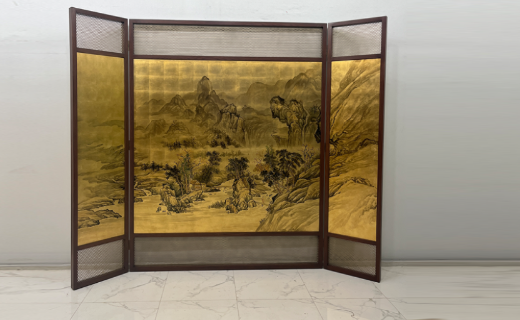
Ryokan-inspired interiors feel calm not because they are empty, but because they control pace. Light is softened, thresholds are measured, and the room unfolds rather than announcing itself all at once. That is why screens make so much sense in guest rooms, tea lounges, and hospitality interiors influenced by this atmosphere. They help create gentler transitions without building heavy boundaries.
The goal is not to imitate a historical room literally. It is to translate some of the same spatial intelligence into a contemporary interior.
Threshold matters more than full separation
In ryokan-influenced spaces, the divider often works best when it suggests a threshold instead of sealing one zone away completely. That softer reveal makes the room feel calmer and more intentional. It is especially effective near entry sequences, tea corners, lounge edges, and guest room transitions where complete blockage would feel too abrupt.
For deeper cultural framing, continue with Japanese Aesthetics of Ma, Light, and the Folding Screen.
Light should be filtered, not killed
One of the strongest lessons from this design direction is that light quality matters as much as privacy. Rooms feel calmer when light is softened instead of erased. That is why screens with lighter material presence, paper-informed references, or refined scenic rhythm work so well. For a related reading, continue with Hanji, Quiet Light, and Korean Interior Calm.
Use calmer scenic and wood-led screens
Ryokan-inspired spaces usually respond better to calm scenic or material-led screens than to louder statement pieces. Landscape screens, quieter wood formats, and restrained decorative panels are often the best fit. This is why Solid Wood Screens and Landscape Screens are useful starting points.
Guest rooms benefit from softer zoning
In guest suites and boutique hospitality rooms, a screen can separate sleeping, entry, dressing, or tea areas without making the room feel chopped up. This is more elegant than forcing full enclosure and often suits the hospitality experience better. For adjacent planning, see Hotel Suite Divider Ideas.
Tea lounges benefit from pace and restraint
Tea spaces are not helped by loud partitions. They are helped by dividers that create a quieter rhythm in the room. A screen can support seating arrangement, conceal a direct view, and make the lounge feel more collected. For that use case, compare Tea Room and Wellness Screen Ideas with Tea House Screen Ideas.
When to move from inspiration to project specification
If the project is a hospitality interior rather than a home, it often makes sense to move early into International Project Support or Request a Quote. Ryokan-inspired projects depend heavily on proportion, finish, and atmosphere, so the divider should be chosen with the broader room in mind.
Conclusion
Ryokan-inspired screen ideas work because they bring softer thresholds, calmer light, and a more measured experience of the room. They do not simply divide space. They help the space unfold with more dignity and quiet control.
Recommended next steps: Browse Solid Wood Screens, Landscape Screens, and continue with Japanese Aesthetics of Ma, Light, and the Folding Screen.
Frequently Asked Questions
What makes a screen feel ryokan-inspired?
Calmer thresholds, softened light, restrained material presence, and a sense of measured pace all contribute to that feeling.
Should ryokan-inspired screens fully block the room?
Usually no. They tend to work best when they soften and stage the room rather than fully close it off.
What screen categories suit this style best?
Solid wood, landscape, and restrained decorative screens are usually the best starting points.
Continue Reading
For meditation-focused calm, continue with Meditation Room Screen Ideas.
