

Blog
Spa Privacy Screen Ideas for Calm Wellness Interiors and Treatment Spaces

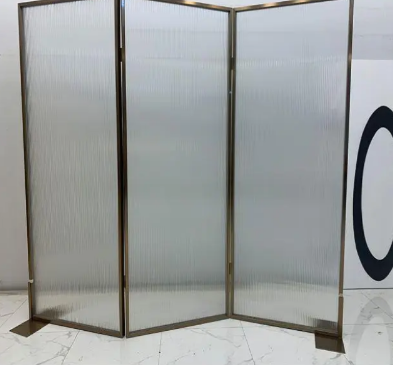
Spa interiors need privacy, but they also need softness. A wellness space should feel calm, breathable, and emotionally settled. That is why screens work so well in treatment rooms, changing areas, tea lounges, and wellness reception zones. They can create enough separation without making the space feel clinical or overbuilt.
The best spa privacy screen ideas use filtered separation rather than hard enclosure. That balance matters because wellness rooms often depend on light, quiet, and atmosphere as much as on privacy itself.
Why wellness interiors respond so well to screens
A spa usually needs more than one level of privacy. Some areas only need a softer edge, while treatment or changing zones may need stronger concealment. Screens are useful because they can solve those problems gently and flexibly. If the room needs a calmer privacy solution, compare modern light-filtering screens with more material-led oriental designs.
Light-filtering privacy often works better than solid blockage
Many spa spaces benefit from privacy that still lets light pass. That is why the Frosted Ribbed Glass Privacy Screen can be especially effective. It softens visibility while preserving brightness, which helps wellness rooms feel more open and less constrained.
Use screens to slow the room down
In wellness interiors, the divider should never feel abrupt. It should support a slower, calmer rhythm. A screen near the entrance to a treatment area, beside a waiting lounge, or between seating and service zones can create a sense of transition without introducing heavy architecture.
Oriental and material-led screens suit spa aesthetics naturally
Many spa interiors rely on wood, stone, muted palettes, and disciplined detail. This is why Solid Wood Screens and quieter oriental dividers can work so well. They bring warmth and atmosphere while still helping the room function more clearly. For a related hospitality direction, continue with Tea House Screen Ideas for Calm Oriental Hospitality Interiors.
When should a spa move to custom?
Custom becomes useful when the wellness project needs repeated treatment-room screens, specific material coordination, or dividers scaled to architectural niches and circulation paths. If the screen is part of a larger wellness concept, Custom Screens may be the strongest next step.
Conclusion
The best spa privacy screen ideas create calm without sacrificing function. They provide enough separation for comfort while preserving the softness and openness that wellness interiors depend on.
Recommended next steps: Compare the Frosted Ribbed Glass Privacy Screen, browse Solid Wood Screens, and review Modern Privacy Screen Room Divider Ideas That Still Let Light Through.
Frequently Asked Questions
What kind of screen works best in a spa?
Light-filtering privacy screens and calmer material-led dividers usually work best because they preserve both comfort and atmosphere.
Should a spa use fully opaque partitions?
Only where strong privacy is essential. Many wellness spaces benefit more from filtered privacy and softer transitions.
Can spa projects use custom screens?
Yes. Custom is especially useful when the project needs repeated units, specific materials, or dividers coordinated with the wider wellness design.
Continue Reading
If the privacy problem is more clinical than spa-led, continue with Clinic Privacy Screen Ideas for Reception, Consultation, and Treatment Areas.
Continue Reading
If the wellness conversation overlaps with living heritage and paper-based softness, continue with Hanji, Quiet Light, and Korean Interior Calm.
