

Blog
Best Room Divider Ideas for Small Apartments Without Building Walls

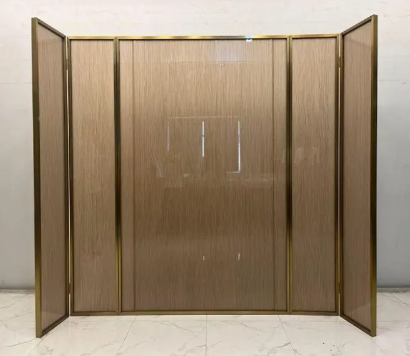
Small apartments need layout control more than they need more furniture. When a room has to serve as lounge, dining area, workspace, and sometimes even sleeping zone, the problem is rarely decoration alone. The problem is that everything is visible at once. A divider solves that quickly, but the wrong divider can also make the room feel heavier and more crowded.
The best room divider ideas for small apartments are the ones that improve privacy and structure without taking away too much light or flexibility. That is why folding screens work so well in compact homes. They give you separation without construction, and they can be moved when the room needs to change again.
Use a folding screen when the layout changes often
Permanent partitions are usually too rigid for smaller homes. A folding screen room divider can shift with the room, which is why it remains one of the smartest tools for compact interiors. If you are starting from the broadest collection, go first to Folding Screens. That category gives you the widest range of formats, moods, and levels of privacy.
Choose lighter materials if the apartment already feels tight
A small apartment should not be broken up with something that feels visually heavy unless the room truly needs stronger concealment. This is where light-filtering designs become useful. The Bronze Textured Glass Privacy Screen works well because it gives separation while still allowing light to move through the space. If the layout is tighter still, a three-panel option such as the Frosted Ribbed Glass Privacy Screen is often easier to place.
Use screens to define one zone, not the whole apartment
In smaller homes, the best divider placement is often partial rather than total. You do not need to split the apartment into fully closed rooms. You only need to interrupt the main sightline. This could mean placing a screen behind a sofa, beside the bed in a studio, or near the entrance so the door does not open directly into the whole space. If the layout is mostly a lounge problem, start with Living Room Screens.
Scenic screens help small rooms feel deeper
There is a common assumption that small spaces need plain dividers only. In reality, scenic artwork can make a compact room feel deeper rather than busier when the imagery is calm enough. A landscape screen creates distance for the eye, which can be useful in apartments where the walls already sit close. For that direction, compare the main collection with Landscape Screens and our earlier guide on what a folding screen room divider actually does.
Think in terms of problems, not product names
If the room needs more privacy, look for more coverage. If it needs a calmer edge, look for a lighter divider. If it needs atmosphere, scenic content may do more than a plain screen. The smartest buying decision usually comes from defining the exact room problem before comparing styles. That is also why privacy, material, and layout matter more than trends alone.
When should you ask for help?
Smaller homes can be harder to size correctly because a few inches change the feel of the whole room. If you already have room photos, approximate dimensions, or a couple of screen options you are comparing, send them through Request a Quote. That is usually faster than guessing from product photos alone.
Conclusion
The best room divider for a small apartment is not the biggest or the most decorative one. It is the one that improves privacy, helps the room read more clearly, and keeps the space feeling flexible. Folding screens are especially strong here because they solve layout problems without locking the apartment into one arrangement.
Recommended next steps: Compare Folding Screens, Living Room Screens, and What Is a Folding Screen Room Divider?.
Frequently Asked Questions
What divider works best in a studio apartment?
A lighter folding screen is usually best because it can separate space without making the studio feel boxed in.
Should a small apartment use a full opaque divider?
Only if privacy matters more than brightness. Many compact homes benefit more from filtered privacy than total concealment.
Where should I place the divider first?
Usually along the most exposed sightline, such as behind the sofa, beside the bed, or near the entrance.
Continue Reading
If your layout is a studio rather than a one-bedroom apartment, continue with Privacy Screen Ideas for Studio Apartments That Still Feel Open.
Continue Reading
If the home is a compact condo rather than a small apartment, continue with Small Condo Room Divider Ideas That Keep the Layout Flexible.
