

Blog
Hanji, Quiet Light, and Korean Interior Calm

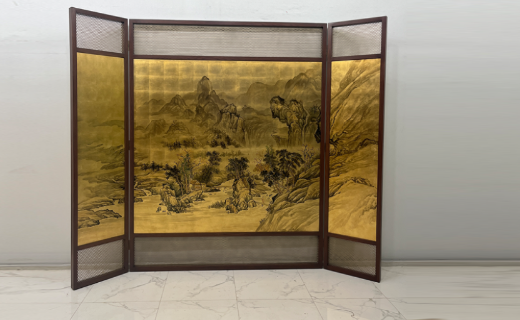
Korean interiors are often described through cleanliness, warmth, and calm, but those words become much more meaningful when we look at how materials handle light. One of the most important materials in that story is hanji, traditional Korean paper made from paper mulberry bark.
As of April 1, 2024, Korea’s Cultural Heritage Administration announced that it had submitted the nomination file for the inscription of “Traditional knowledge and skills associated with the production of Hanji and related cultural practices” to UNESCO, with a final decision scheduled for 2026. That official update matters because it reminds us that hanji is not just a design surface. It is a transmitted practice with community, labor, and material knowledge behind it.
Why hanji matters to interior atmosphere
Paper changes privacy. It can make the room quieter without making it shut down. That is why hanji has long been associated with calmer, breathable, and more human-scaled interiors. Even when contemporary rooms do not use literal paper partitions, they still pursue the same effect: light that diffuses, sightlines that soften, and space that feels less abrupt.
For a more product-led expression of this logic, compare New Chinese Style Screens and Landscape Screens with lighter privacy-led dividers.
Quiet light is part of the mood
Rooms feel calmer when light arrives through texture and depth instead of hitting everything at once. That is why hanji-adjacent spatial thinking still matters to contemporary interiors, especially in tea rooms, wellness spaces, lounges, and residences that need softness rather than spectacle.
What makes hanji different from a simple paper reference?
The Korea.net press release on the UNESCO nomination describes hanji as a collaborative craft sustained through masters’ knowledge and community labor practices. That is important because it shifts our understanding away from surface style and back toward practice. The value is not only in how the paper looks. It is in the transmitted skill, durability, and cultural role behind it.
You can read the official Korean announcement here: Korea.net press release on Hanji nomination.
How this influences screen selection today
Clients inspired by Korean calm usually do not want a divider that feels loud. They want something that gives the room structure while preserving openness. This is why scenic screens with quieter palettes, softer materials, and more breathing room often perform better than dense decorative partitions in Korean-influenced interiors.
For hospitality and wellness spaces, continue with Spa Privacy Screen Ideas and Tea House Screen Ideas.
Conclusion
Hanji helps us understand that interior calm is not only about less decoration. It is about how materials handle light, how space breathes, and how craft traditions continue to shape the feeling of a room. That is why paper heritage still matters to screen thinking today.
Recommended next steps: Visit Korean Project Support, compare New Chinese Style Screens, and read Living Heritage Behind Oriental Screens.
Continue Reading
For calmer ritual spaces, continue with Tea Room and Wellness Screen Ideas: Calm Dividers for Ritual Spaces.
