

Blog
Meditation Room Screen Ideas for Calm, Focus, and Gentle Thresholds

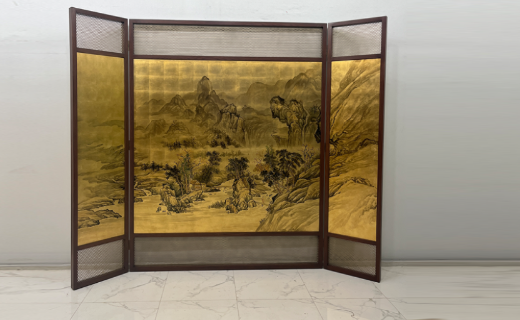
A meditation room benefits from boundaries, but not harsh ones. The room should feel protected enough for focus and calm, yet open enough to breathe. That is why screens work so naturally in meditation and wellness interiors. They shape the threshold, soften distraction, and support a quieter rhythm without making the room feel boxed in.
The best meditation room screen ideas usually rely on material restraint, gentler light, and a slower sense of entry rather than hard separation.
Why meditation spaces need softer boundaries
A meditation room is not helped by abrupt interruption. Heavy walls or visually aggressive dividers can make the space feel rigid. A screen gives the room an edge without taking away its permeability. It helps the mind register that this is a different zone, which is often exactly what the space needs.
For adjacent planning, compare Tea Room and Wellness Screen Ideas with Spa Privacy Screen Ideas.
Use calmer materials and imagery
Meditation spaces usually respond best to quieter scenic compositions, wood-led materials, or lighter dividers that soften light. The point is not to create visual spectacle. It is to reduce noise and help the room feel more settled. That is why Solid Wood Screens and Landscape Screens are often stronger choices than loud statement pieces.
Threshold matters more than full concealment
Often the screen does not need to fully isolate the meditation room. It only needs to slow the reveal, redirect the first sightline, or create a quieter edge near the main approach. This is especially true in homes where the meditation area sits within a larger lounge, bedroom, or wellness suite.
Filtered light supports focus
Light quality shapes meditation spaces powerfully. Rooms feel calmer when light is softened rather than erased. This is one reason paper-informed, wood-led, or scenic screen approaches work so well. For a deeper cultural lens on quiet light, continue with Hanji, Quiet Light, and Korean Interior Calm and Japanese Aesthetics of Ma, Light, and the Folding Screen.
Conclusion
Meditation room screens work best when they create gentle boundaries instead of hard enclosure. They support calm, focus, and a slower sense of threshold, which is often exactly what a wellness space needs most.
Recommended next steps: Compare Solid Wood Screens, Landscape Screens, and Tea Room and Wellness Screen Ideas.
Frequently Asked Questions
Should a meditation room screen fully block the room?
Usually no. It often works better when it creates a gentle threshold and softer distraction control instead of total enclosure.
What materials suit meditation rooms best?
Wood-led, scenic, and calmer light-filtering screens usually work best because they support atmosphere without visual noise.
Can a meditation screen work in a multifunction room?
Yes. Screens are especially useful in multifunction spaces because they create a calm zone without permanent construction.
