

Blog
Freestanding Screen or Backdrop Screen? How Designers Decide

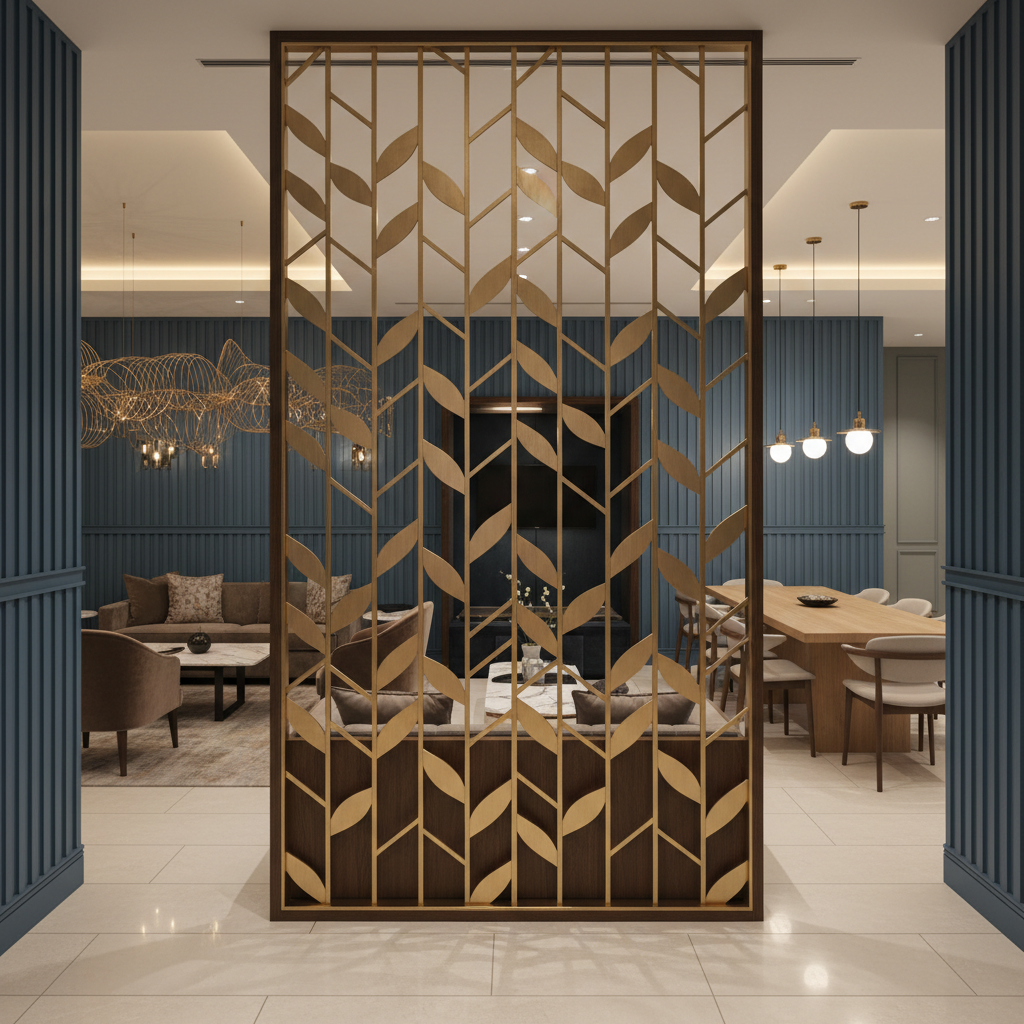
Not every screen is meant to behave the same way. Some should be read as objects in the room. Others work better as a background layer that supports furniture, sightlines, and mood. Knowing which role you need can make product selection much easier.
Freestanding screens need presence from multiple angles
If the screen stands out in the open, it needs to look resolved from the approach, the side, and often from behind adjacent seating. This is why panel rhythm, frame detail, and silhouette matter more in freestanding use.
Backdrop screens help anchor furniture and soften edges
When a divider sits behind a sofa, banquette, console, or reception desk, it behaves more like an architectural layer than an object. In that role, scenic calm, surface depth, and scale often matter more than all-around sculptural presence.
Use case decides the role
Entryways and villa foyers often benefit from freestanding placement. Living rooms, lounges, and hospitality seating groups often benefit from the backdrop approach. For related planning, continue with Living Room Screens and Hospitality Screen Buying Guide.
Conclusion
A screen works better when its role is clear. If it needs to be seen from all sides, choose it like a freestanding object. If it is anchoring a room sequence, choose it like a backdrop with mood and scale.
Recommended next steps: Continue with Hospitality Screen Buying Guide, Living Room Screen Divider Buying Guide, and Request a Quote.
