

Blog
How to Match Oriental Screens With Stone, Walnut, and Quiet Luxury Interiors

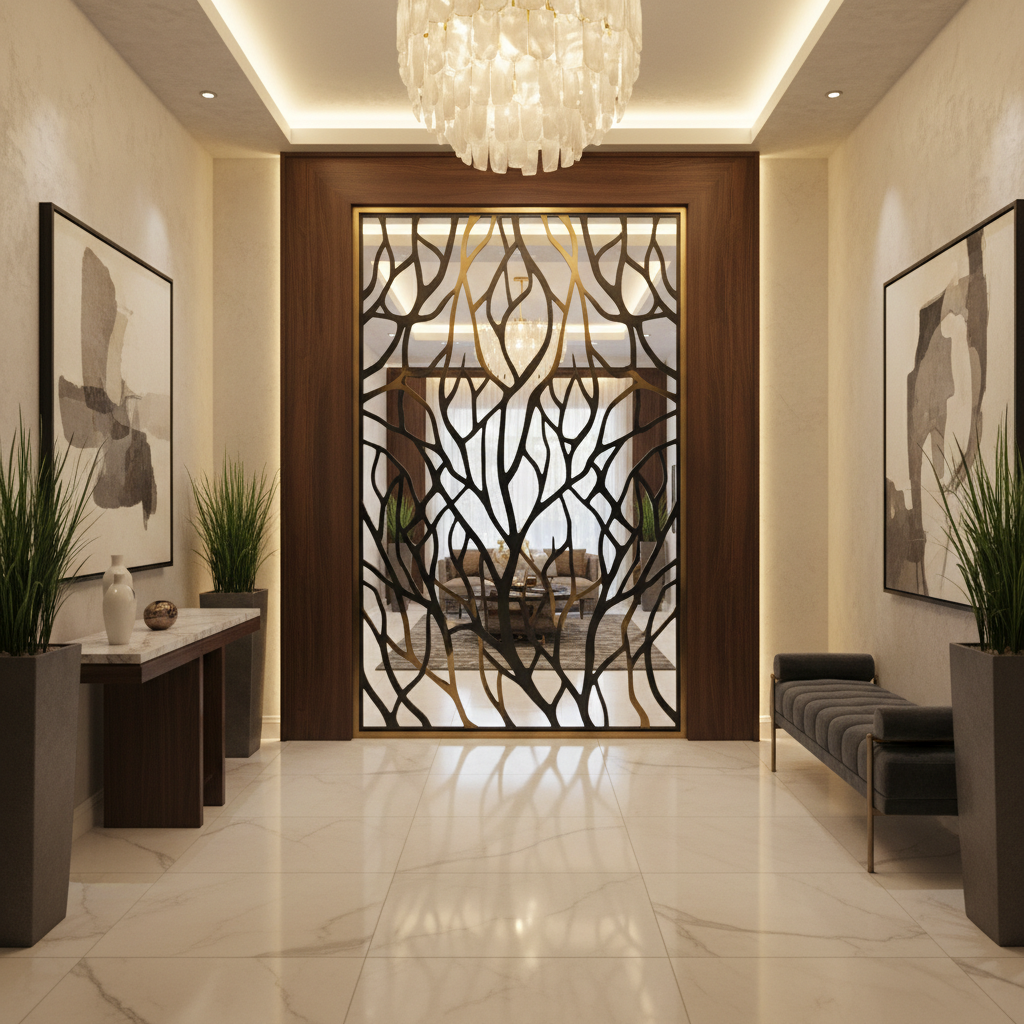
Quiet luxury interiors usually rely on restraint, material credibility, and a room that feels expensive without shouting. That is exactly why oriental screens can work so well in them. The key is not to make the screen feel like a costume piece. The key is to match it to the room’s material rhythm.
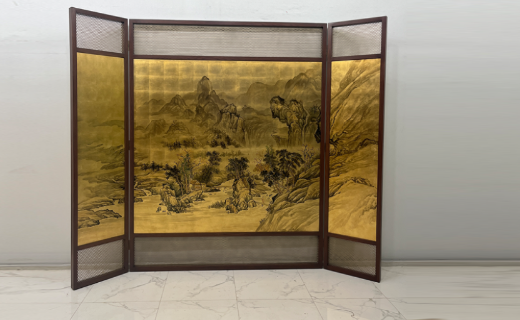
Walnut needs warmth, not clutter
When a room already has walnut cabinetry, trim, or furniture, a screen should either extend that warmth or provide a controlled counterpoint. Scenic black-and-gold or warm landscape pieces tend to work better than overly bright panels because they keep the palette grounded.
Stone surfaces benefit from softer visual pacing
Travertine, limestone, and pale stone interiors often need something to slow the eye down. A screen introduces detail, but because it is panelized and breathable, it does not make the room feel dense. That is one reason oriental aesthetics works well with quiet luxury and material-led minimalism.
Use contrast carefully
Quiet luxury usually performs best when there is one strong focal object rather than several competing accents. A carefully placed divider from New Chinese Style Screens or Landscape Screens can become that focal layer without overwhelming the room.
Conclusion
Oriental screens work in quiet luxury interiors when they are chosen for material dialogue, scale, and atmosphere rather than surface novelty. They should deepen the room, not decorate every inch of it.
Recommended next steps: Continue with Choose Your Oriental Aesthetic Direction, Oriental Aesthetics in Modern Interiors, and Request a Quote.
Related Material Reading
Continue with How to Build a Material Palette Around an Oriental Screen and How to Compare Scenic Screen Finishes Before You Order.
