

Blog
Why Folding Screens Matter in Oriental Interior Design

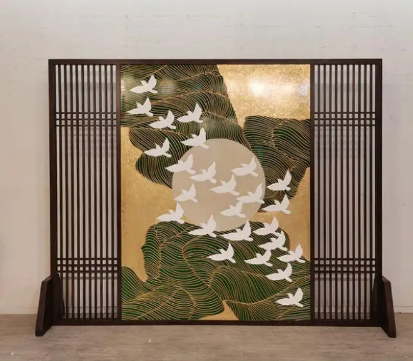
Few objects explain oriental interior design as clearly as the folding screen. It is practical, sculptural, portable, and deeply tied to the way a room is experienced over time. A screen can conceal, reveal, guide movement, add atmosphere, and introduce artwork without demanding permanent construction. That combination is exactly why it remains relevant in private homes, hospitality interiors, and designer-led commercial spaces.
Today, folding screens are often chosen for zoning, privacy, and decorative impact. Historically, they also carried narrative imagery, scenic symbolism, and craftsmanship that helped define the tone of a room. When those same qualities are translated into a contemporary project, the result feels sophisticated rather than nostalgic.
They shape space without freezing it
Walls are permanent. Screens are adaptive. In a modern project, that flexibility matters. A piece from the Folding Screens collection can create a dressing corner, soften a lounge boundary, or separate seating zones while keeping natural light and visual continuity in place. This is one reason they work so well in open-plan environments and boutique hospitality layouts.
They support privacy with elegance
Oriental interiors rarely rely on harsh separation. Instead, they use filters, layers, and softened transitions. A screen divider creates enough enclosure to make the room more comfortable, but it still preserves atmosphere. For foyers, reception areas, and first impressions, the effect is especially strong, which is why entryway screen strategies continue to matter in both residential and hospitality design.
They turn artwork into architecture
Scenic screens do not behave like ordinary furniture. A mountain scene, crane composition, botanical panel, or lattice frame changes how the room reads from a distance. This framed gold bird landscape folding screen, for example, works as a divider, but it also behaves like a focal artwork with structure and scale.
They fit both traditional and modern rooms
One of the biggest misconceptions about oriental design is that it only works in historically themed interiors. In reality, screens can sit just as comfortably inside pared-back modern rooms, especially when the palette, frame, and panel count are chosen carefully. That is where New Chinese Style screens become particularly useful. They carry the rhythm and symbolism of oriental design while sitting more naturally inside contemporary architecture.
They give designers more control over mood
Interior design is not only about plan layout. It is also about tempo, light, sightlines, and emotional response. Screens can make a room feel calmer, more intimate, more ceremonial, or more layered. When a project requires a more tailored scale or finish, custom screens give designers the ability to adapt the idea to the architecture instead of forcing the architecture to adapt to the object.
If you want a wider design perspective, the Britannica entry on screen painting is a helpful introduction, and museum collections such as the Met’s folding screen holdings show how screens have long functioned as both art and interior structure.
Conclusion
Folding screens matter because they solve a modern design problem with a deeply refined object. They divide space without heaviness, add privacy without shutting the room down, and bring art into everyday circulation. That mix of atmosphere and usefulness is what keeps them central to oriental interior design.
Recommended collections: Start with Folding Screens, then review Custom Screens for larger projects and tailored panel counts.
Frequently Asked Questions
Why are folding screens still relevant today?
Because they provide privacy, spatial layering, and decorative focus without the cost or permanence of structural changes.
Can folding screens work in minimalist interiors?
Yes. Minimal rooms often benefit from the structure, rhythm, and texture that a screen introduces, especially when the palette is controlled.
Which products should I compare first?
Start with Folding Screens, then compare scenic, glass, and New Chinese Style options based on the room’s mood and function.
Further Reading
If you want a practical follow-up, continue with Are Folding Screens Good for Privacy?.
Continue Reading
If you want a more culture-specific lens, continue with Japanese Aesthetics of Ma, Light, and the Folding Screen and Arabic Calligraphy, Privacy, and Ornament in Contemporary Interiors.
