

Blog
Sophisticated Entryway Screens: Transforming Foyers and Reception Spaces

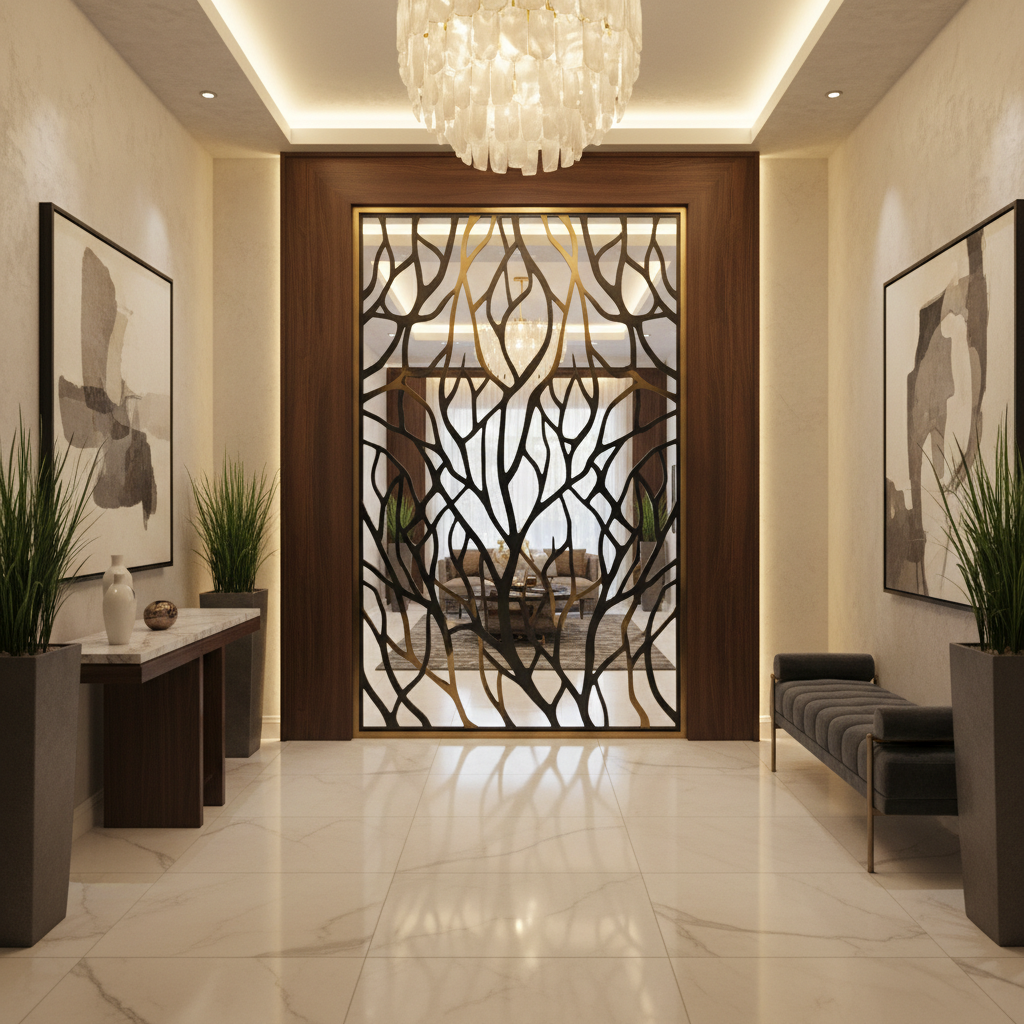
First impressions are lasting, especially in the world of high-end interior design. Whether you are welcoming guests into a private home, a corporate lobby, or a boutique hotel, the entryway sets the stage for the entire experience. One of the most effective ways to balance openness with structural definition is through the strategic use of entryway screens. These architectural elements provide more than just a barrier; they act as a statement of style and a functional tool for managing space flow.
The Role of Screen Dividers in Modern Foyer Design
Modern foyers often face the challenge of being too cavernous or too cluttered. An entryway screen helps to solve both issues by providing a clear visual boundary without the permanence of a structural wall. For homeowners, this means creating a sense of arrival that feels distinct from the rest of the living space. For designers, it allows for the introduction of textures and patterns that would otherwise be difficult to incorporate in a transitional area.
By using screens, you can create a gallery-like atmosphere in your entrance. Imagine walking through a door to be greeted by a beautifully crafted screen that partially obscures the main living room, piquing curiosity while maintaining the privacy of the residents. This layering effect is a hallmark of sophisticated interior design, adding depth and complexity to the floor plan.
Design Inspiration for Elegant Reception Areas
In reception spaces, particularly in boutique hospitality, the goal is to create an environment that feels exclusive and well-considered. A standard partition often feels clinical, but a decorative screen adds a layer of artistry. Materials like laser-cut metal, hand-carved wood, or even woven textiles can be used to reflect the brand’s identity or the architectural heritage of the building.
When searching for the right balance between durability and aesthetics, Oriental Screens offers a variety of products that fit seamlessly into high-traffic environments. Their designs often draw from traditional motifs while utilizing modern manufacturing techniques, making them ideal for spaces that require both beauty and longevity. Integrating such a piece allows a reception area to feel warm and inviting, rather than just a waiting room.
Practical Placement Tips for Private Entrances
Placement is everything when it comes to screens. If placed too close to the door, a screen can make a foyer feel cramped. If too far, it loses its purpose as an entryway feature. Here are a few tips for optimal positioning:
- The Angle of Arrival: Position the screen at a slight angle to the doorway to guide guests naturally into the intended direction of travel.
- Lighting is Key: Use recessed spotlights or floor lamps to cast shadows through the patterns of the screen. This creates a dynamic visual effect that changes throughout the day.
- Complementary Furniture: Pair your screen with a console table or a signature chair. This anchors the screen and makes it look like a deliberate part of the furniture layout.
Boutique Hospitality: First Impressions Count
For boutique hospitality buyers, the screen serves as a tool for zoning. In a hotel lobby, it can separate the check-in desk from a more relaxed lounge area without blocking natural light. Maintaining these sightlines while defining distinct zones is crucial for a comfortable guest experience. Furthermore, using a screen with a unique pattern can become a signature design element that guests remember and photograph.
Material Selection: Wood, Metal, and Mixed Media
The material you choose will dictate the mood of the space. Natural wood brings warmth and an organic feel, perfect for residential foyers or spas. Metal screens, on the other hand, offer a sleek and industrial or ultra-modern look. For a truly unique approach, consider mixed-media screens that combine different textures. Oriental Screens has been known to provide pieces that satisfy these diverse requirements, ensuring that every project has a bespoke feel.
In conclusion, an entryway screen is a versatile and elegant solution for any space that requires a touch of privacy and a high level of style. By carefully selecting your materials and considering the practicalities of placement, you can transform a simple entrance into a stunning introduction to your interior design vision. Whether for a home or a commercial project, these screens provide the perfect blend of form and function.
Further reading: For a broader look at spatial layering and mood, explore How to Bring Oriental Aesthetics Into Entryways, Living Rooms, and Hospitality Spaces.
Recommended collections: Browse Entryway Screens, New Chinese Style Screens, and scenic options from Landscape Screens.
Frequently Asked Questions
What makes an entryway screen effective?
An effective entryway screen softens the first sightline, preserves circulation, and adds enough decorative weight to shape the arrival experience.
Can foyer screens work in commercial reception areas?
Yes. They are especially useful in reception spaces, boutique hospitality, and private client-facing interiors where privacy and first impressions both matter.
Which collections should I compare first?
Compare Entryway Screens, New Chinese Style Screens, and selected scenic pieces from Landscape Screens.
Further Reading
For a broader room-by-room comparison, see How to Choose the Right Screen for an Entryway, Living Room, or Hospitality Project.
More Practical Guides
To plan the entrance more precisely, continue with How to Use an Entryway Screen Behind the Front Door.
