

Blog
Oriental Aesthetics in Modern Interiors: 7 Principles Designers Still Use

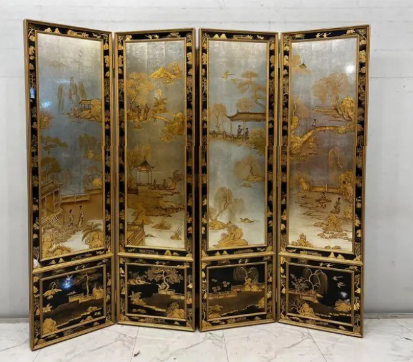
Oriental aesthetics is not a single visual trick or a trend built on surface decoration. At its best, it is a spatial language shaped by proportion, restraint, rhythm, craftsmanship, and the relationship between architecture and atmosphere. That is exactly why it still feels relevant in contemporary interiors. When designers use folding screens, scenic panels, or carefully placed dividers, they are often applying principles that have been part of East Asian design thinking for centuries.
If you are planning a home, boutique hospitality project, or design-led commercial space, the goal is not to make a room feel theatrical. The goal is to make it feel composed. Below are seven principles that help oriental aesthetics translate beautifully into modern interiors.
1. Layered thresholds create a sense of arrival
One of the most recognizable ideas in oriental interiors is the partial reveal. Instead of showing everything at once, the room unfolds in layers. That is why entryway screens work so well in foyers, reception areas, and private entrances. A screen softens the direct line of sight, creates a stronger first impression, and makes the room feel intentional from the first step.
2. Empty space is part of the composition
Good oriental interiors do not fill every gap. They leave room for stillness. In modern spaces, that often means using a divider to define an area without making it feel boxed in. A well-scaled piece from the Living Room Screens collection can zone an open-plan layout while preserving visual calm. This principle also sits at the heart of our guide on how folding screens transform open-plan living rooms.
3. Nature is structure, not just decoration
Landscape motifs, cranes, mist, mountain silhouettes, bamboo, and garden scenes do more than decorate a room. They help shape its emotional tone. Scenic imagery slows the eye down and expands the perceived depth of the space. That is why landscape screens feel so effective in living rooms, tea spaces, hospitality lounges, and quiet commercial interiors. The image becomes part of the architecture.
4. Material honesty matters
Oriental aesthetics often relies on surfaces that feel real: wood grain, lacquer-like sheen, textured paper effects, metal, and glass. In a modern setting, this translates into choosing materials that carry visual weight and tactile credibility. Solid wood screens are especially powerful when the room needs warmth, presence, and a stronger architectural note.
5. Rhythm comes from repetition
Panels, frames, lattice, and repeated scenic segments create order without stiffness. This is one reason screen dividers continue to feel relevant in contemporary projects. A multi-panel format can guide sightlines, build symmetry, and create a measured pace across the room. In large interiors, custom panel counts and widths are often what make the difference between a decorative object and a fully resolved design feature, which is why custom screens remain important for trade and hospitality work.
6. Contrast should feel controlled
Oriental interiors often use contrast carefully rather than aggressively. Dark lacquer tones can sit beside pale walls. Gold highlights can add depth without overwhelming the room. Scenic black-and-gold pieces such as this landscape folding screen room divider work because they balance richness with structure instead of relying on ornament alone.
7. Beauty should still solve a practical problem
Perhaps the most useful principle is that visual beauty and function are not separate. A screen should guide circulation, soften sightlines, create privacy, or support a more flexible layout. The article Mastering Spatial Luxury explores this in more detail for boutique hospitality and high-end residential projects.
For historical context, it is worth looking at how museums discuss folding screens as works of art and spatial devices. The Metropolitan Museum of Art and Britannica’s overview of screen painting both offer useful background on why the form has remained so enduring.
Conclusion
When designers talk about oriental aesthetics, what they often mean is disciplined beauty: rooms with stronger atmosphere, clearer boundaries, and more thoughtful pacing. Screens are one of the easiest ways to bring those qualities into a project because they combine architecture, art, and function in a single object.
Recommended collections: Compare Landscape Screens, New Chinese Style Screens, and Folding Screens.
Frequently Asked Questions
Does oriental aesthetics only work in traditional interiors?
No. It often works especially well in contemporary rooms because the emphasis is on calm composition, material restraint, and thoughtful layering rather than visual clutter.
Which screens best express oriental aesthetics?
Landscape screens, folding screens, and New Chinese Style pieces are usually the best starting points because they combine atmosphere, spatial function, and art-led imagery.
Where should I begin if I want a softer oriental look?
Start with Landscape Screens or New Chinese Style Screens, then refine by palette and panel count.
Further Reading
To connect the design ideas to real buyer questions, continue with What Is a Folding Screen Room Divider?.
Continue Reading
For a deeper heritage-led perspective, continue with Living Heritage Behind Oriental Screens: Washi, Xuan Paper, and the Craft of Light.
Related Aesthetic Reading
Continue with How to Match Oriental Screens With Quiet Luxury Interiors and How to Make an Oriental Screen Feel Intentional in a Minimalist Home.
