

Blog
What Is a Folding Screen Room Divider? A Practical Guide for Modern Interiors

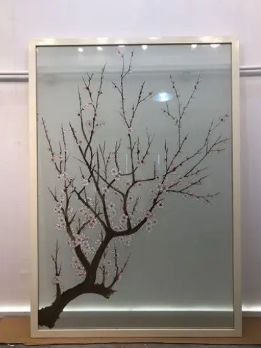
A folding screen room divider is one of the simplest ways to change how a room works without adding permanent walls. It creates privacy, shapes movement, and gives the space a stronger visual structure. In older interiors, screens often carried scenic artwork or symbolic motifs. In modern interiors, they still do that, but they also solve practical layout problems.
For this reason, folding screens work especially well in living rooms, entryways, bedrooms, dressing corners, hotel suites, and reception spaces. They are useful when the room feels too open, when the first sightline from the front door is too exposed, or when a space needs a focal point that also has a purpose.
What does a folding screen room divider actually do?
It does three jobs at once. First, it creates privacy. Second, it divides space visually. Third, it adds atmosphere. A plain partition can only do one of those well. A strong folding screen can do all three, which is why the Folding Screens collection is often the best starting point when someone is still deciding by use case.
Where do people use folding screens most often?
The most common use cases are open-plan living rooms, entryways, and hospitality interiors. If you need a divider behind a sofa or between two seating zones, start with Living Room Screens. If the problem starts at the front door, Entryway Screens usually make more sense. If the room needs a calmer scenic focal point, Landscape Screens are often the better direction.
What is the difference between decorative and privacy-focused screens?
Some buyers want the screen to read like artwork first. Others want it to solve sightline and privacy problems first. A framed scenic piece such as the Framed Gold Bird Landscape Folding Screen is stronger when the goal is atmosphere and first impression. A more filtered modern divider such as the Bronze Textured Glass Privacy Screen is often better when the priority is modern privacy with light still moving through the room.
How do you choose the right style?
Start with the room problem, not the product photo. Ask these questions:
- Do you need privacy, or mostly visual structure?
- Should the screen feel calm and scenic, or more architectural and modern?
- Will it sit in a living room, foyer, suite, tea room, or reception area?
- Does the room need warmth from wood, filtered light from glass, or a more decorative oriental focal point?
If you are still between styles, our earlier guide on how folding screens transform open-plan living rooms is a useful next read.
Are folding screens only for traditional interiors?
No. That is one of the biggest misconceptions in this category. Scenic and oriental screens can look at home in modern interiors when the palette, panel count, and finish are chosen carefully. If you want a more contemporary interpretation, compare the main collection with New Chinese Style Screens and our article on why folding screens matter in oriental interior design.
Conclusion
A folding screen room divider is useful because it changes the room without making the room feel fixed. It can soften a layout, add privacy, improve first impressions, and introduce visual depth at the same time. That is why it remains relevant in both homes and hospitality spaces.
Where to go next: Browse Folding Screens, Entryway Screens, and Request a Quote if you need help choosing the right direction.
Frequently Asked Questions
What room is easiest to improve with a folding screen?
Entryways and open-plan living rooms usually show the fastest improvement because screens immediately change privacy and sightlines.
Can one screen be both practical and decorative?
Yes. That balance is exactly why folding screens are stronger than plain partitions in design-led interiors.
Should I start from style or function?
Start from function. Once you know what the room needs to do, choosing the right visual style becomes much easier.
More Practical Guides
For smaller homes, continue with Best Room Divider Ideas for Small Apartments Without Building Walls.
Related Practical Guides
Continue with Common Folding Screen Placement Mistakes and Freestanding Screen or Backdrop Screen?.
